
Dashboard design, information density that respects the operator, charts that respect the data.
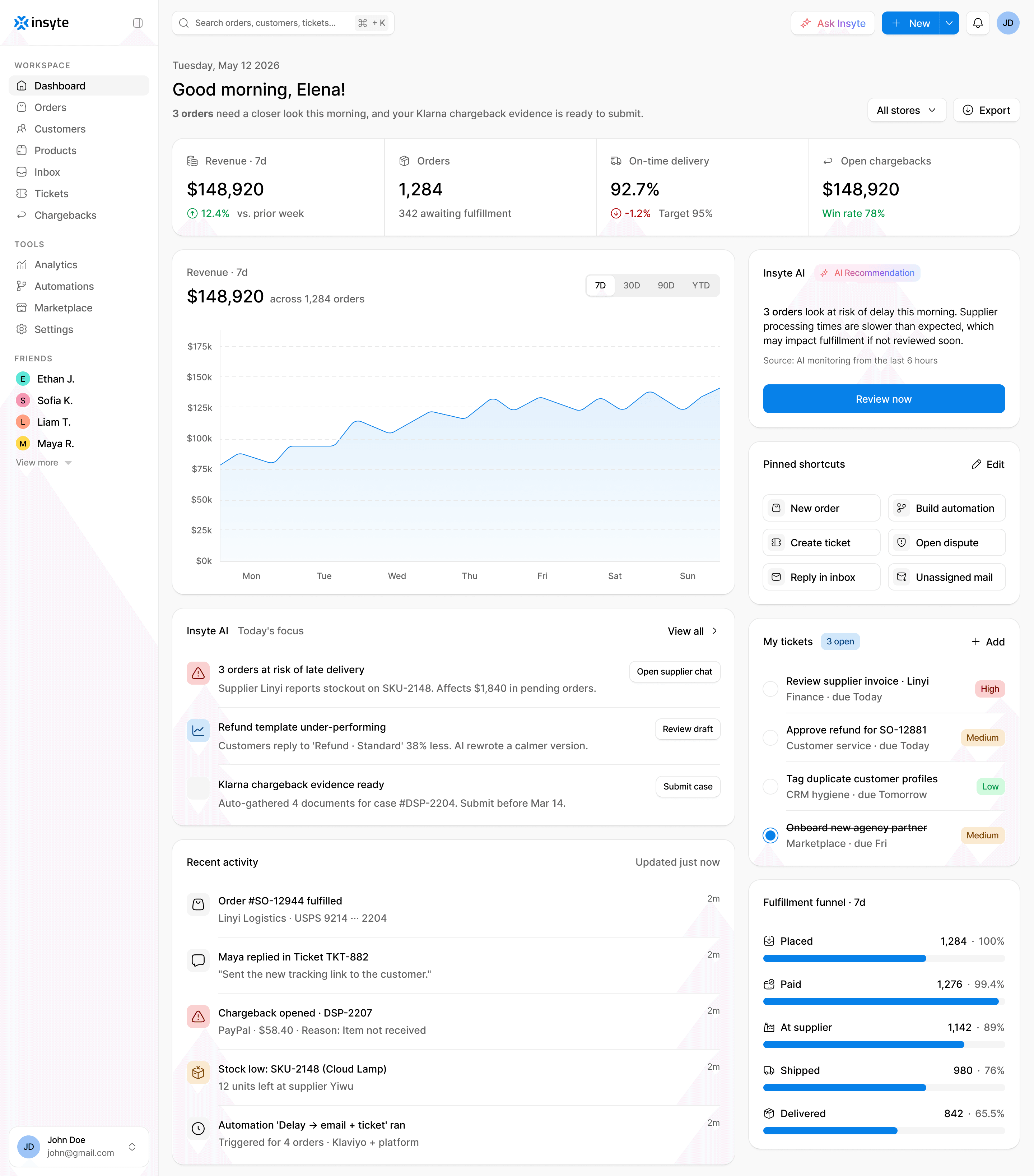
Operator dashboards are different from consumer UI. The user is staring at the screen for hours, the data is the product, and pretty-but-empty is a failure mode. We design dashboards for the second-glance scan, the muscle-memory click, and the rare moments when something is going wrong and the screen has to surface that fast.
What we build
Information density that earns the pixel
More data per screen, less scrolling, fewer empty containers. The density tokens (font, padding, line height) are tighter than consumer defaults, calibrated for the screens operators actually use (27-inch monitors, often two at once).
Scan paths that match the workflow
Layouts shaped around the operator's reading order, not visual symmetry. The most-checked metric lands where the eye starts; secondary context wraps around it; rarely-needed controls move out of the prime real estate.
Charts that respect the data
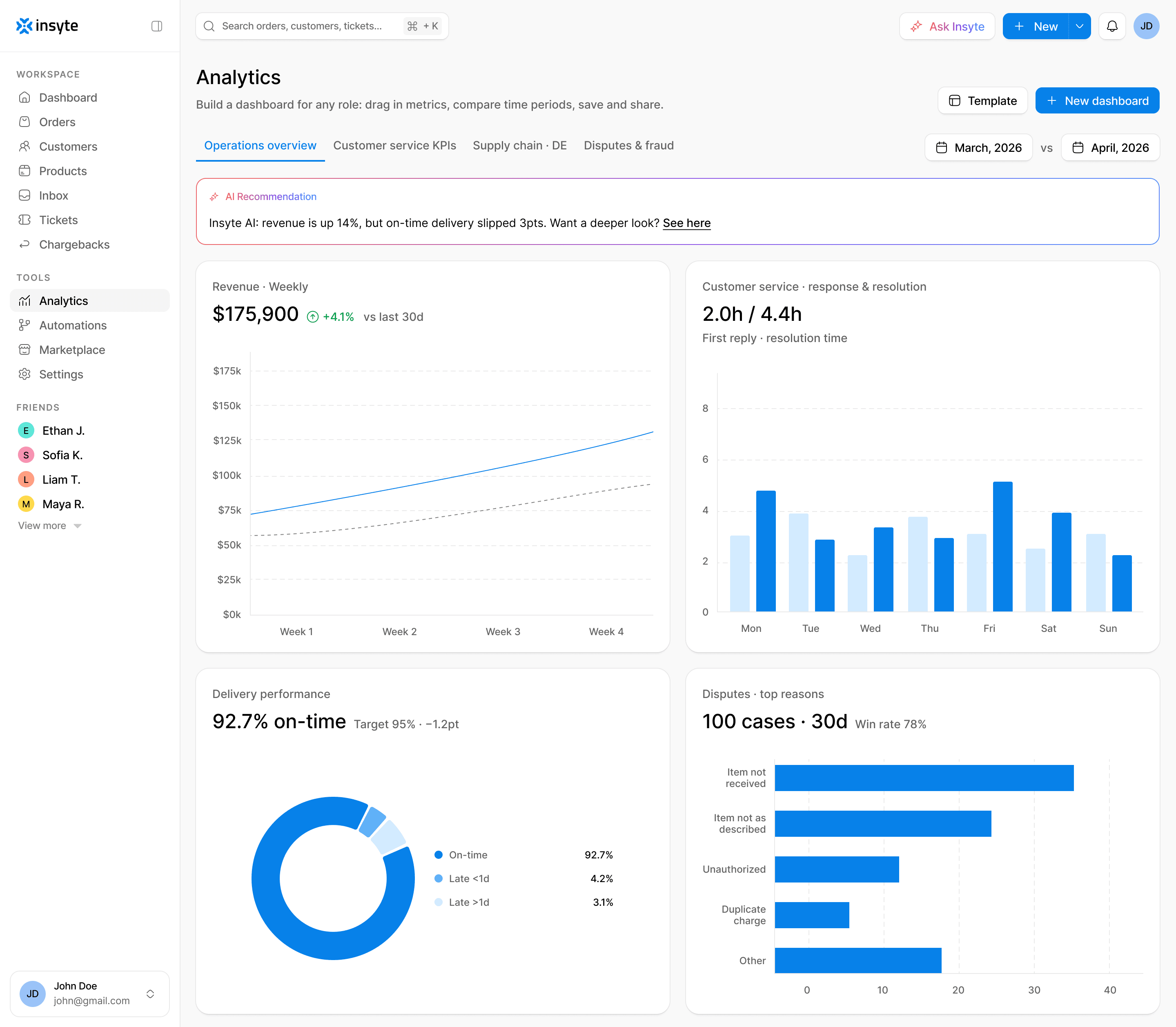
Chart selection driven by the data shape, not the palette. Log scales where the range demands it; sparklines for trend at a glance; small-multiples where comparisons matter more than absolute values. No 3D pie charts, ever.
Status communicated without alarm fatigue
Color states (healthy, warning, critical) used sparingly so they keep their meaning. Empty states aren't blank, they tell the operator what they're looking at and what to do next.
Keyboard-first navigation
Operator products live or die on keyboard speed. Every primary action has a shortcut; the shortcut is discoverable through a `?` overlay. Power users compound their advantage; new users still get the click affordance.
Responsive density, not just responsive layout
On smaller screens, density adapts: fewer columns, larger touch targets, but never a hidden-by-default 'open menu' for primary actions. Mobile is a less-frequent context for these products; the design doesn't pretend otherwise.
Where this fits
Your product's main surface is an operator dashboard and the current design feels like a consumer app shoehorned in.
Your team has shipped enough features that the dashboard is now an unsorted feature wall, not a workflow.
Your dashboards are designed in Figma at 1440px and operators use them on 27-inch monitors at 1.5× density.
Tech stack
- Figma
- Tailwind
- Recharts
- Information Density Tokens
Want this for your team?
30 minutes with a founder or senior engineer. We'll scope what you need and tell you straight whether Stacklane fits.
Book a Free CallRelated capabilities